Holi – A Riot of Colors and Pure Nostalgia
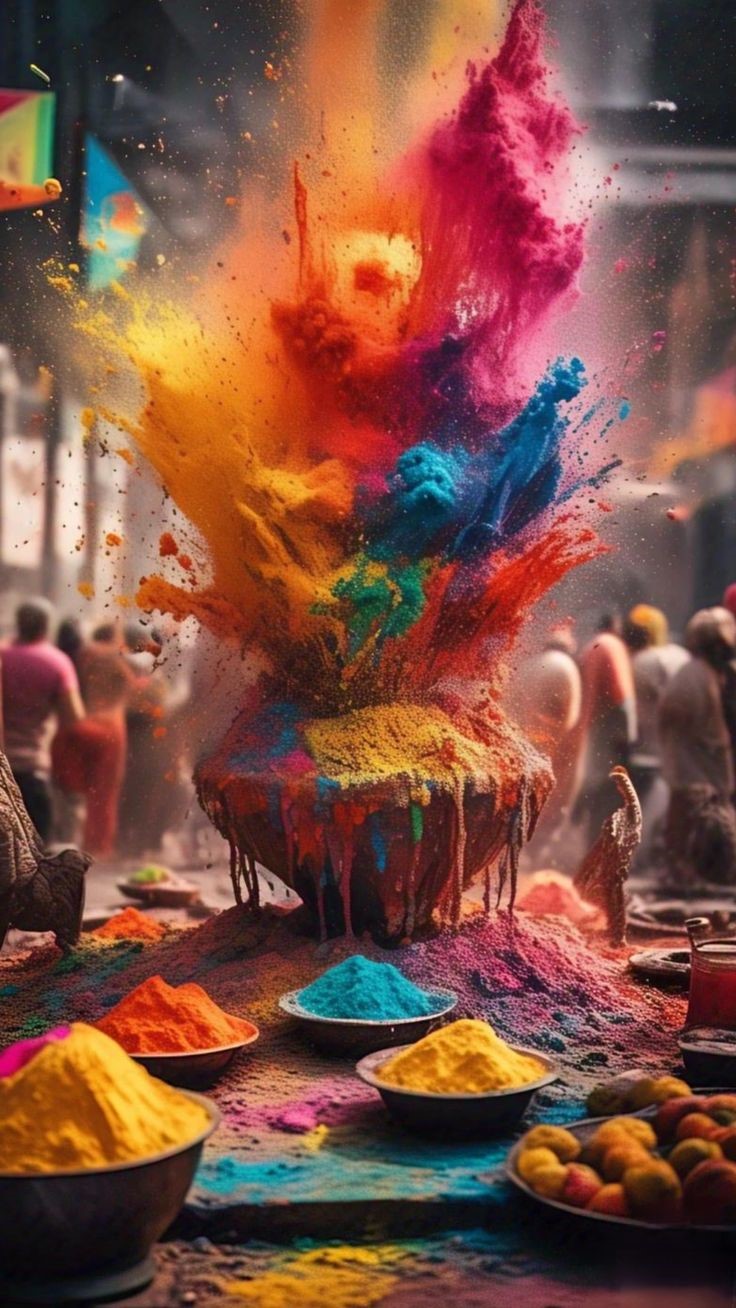
The extra dash of balminess in the air was a tell-tale sign of ‘Holi’ inching closer. It was at this time that the Gujarati palette would switch its loyalties from ‘Undhiyu’ (a traditional rGujarati-style curry made with a variety of vegetables to mark the onset of the harvest season) and ‘Shivratri no Faraal’ (an assortment of delicacies relished to mark the breaking of the Shivratri fast), and begin to crave bowls of cold ‘Srikhand’ (a dessert made of hung curd flavored with sugar, cardamom, and saffron) and tall glasses of ‘Thandai’ (a cooling drink made by boiling milk with nuts and spices). Holi has been a favorite festival ever since I can remember. And my earliest memories are of an excited little me and my brother holding our mother’s hands as we walked into a market searching for ‘Gulaal’ (colored powder) and ‘Pichkaari’ (water gun). I remember running in the courtyard of my home in Gandhinagar and smearing people’s faces with ‘Gulaal’ and spraying water from the ‘Pichkaari’. When I grew up, the safer ‘Gulaal’ was replaced by stronger colors that took days to wash away. And spraying water from the ‘Pichkaari’ gave way to hurling water-filled balloons, good enough to see constellations in broad daylight.
Why do we celebrate Holi?
Holi is celebrated to mark the arrival of Spring. But, like most festivals celebrated in India, this one too has a backstory. Although it is a pan-Indian festival, it is celebrated differently in the north and south of India. And the reason behind two different flavors of the same festival lies in two distinct legends. Here is a glimpse of the legend and the festivity in northern India straight from my memory.
Long, long ago, there lived a demon king named Hiranyakashyap. Consumed by greed for power and supremacy, the king forced his subjects to relinquish faith in the Gods and instead choose him as their deity. His subjects gave in to his atrocities, but his own son Prahlad continued to worship Lord Vishnu with the same piety and devotion. Hiranyakashap couldn’t bear the sight of his own blood and decided to get rid of his son. He plotted ways to kill him, but Prahlad miraculously survived despite being thrown from the mountain top, fed poisoned food, and even thrown in the mouth of wild animals.
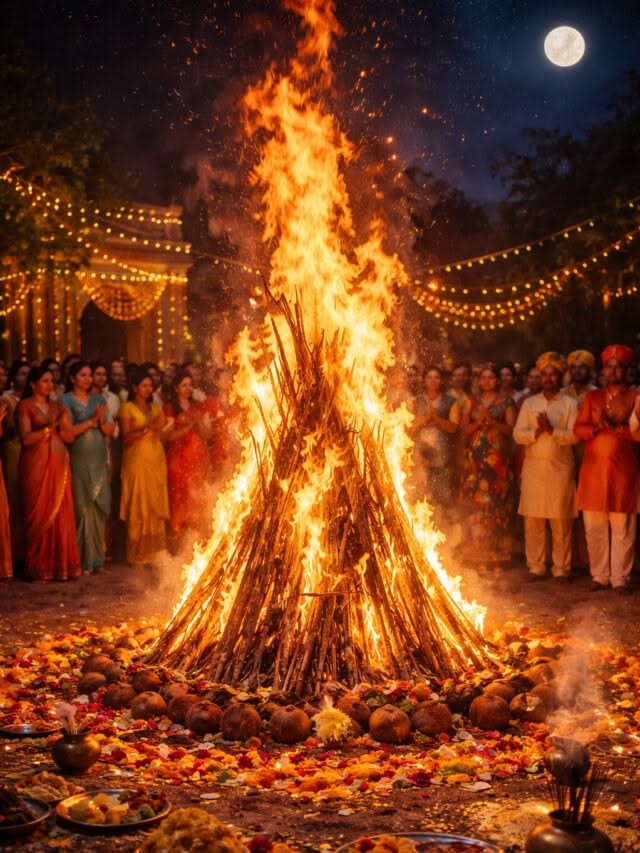
One day, Hiranyakashyap summoned his sister Holika to help him execute yet another evil ploy to kill Prahlad. After years of penance, the Gods had blessed Holika with a ‘dupatta’ (a long, flowy scarf worn by women to cover their heads and/or as part of traditional attire). The scarf was a boon that would protect Holika from the mightiest of fires as long as it stayed on her head. And so, she became her brother’s ally and tricked a little Prahlad to sit in her lap as she sat on a stack of burning wood. Just as the flames leapt high enough to reach Prahlad, a gust of wind blew out of the blue. The wind was strong enough to push a little Prahlad to safety and blow the scarf over Holika’s head, exposing her to the angry flames. Thus, the first day of Holi celebration begins with lighting a bonfire. This ritual is called ‘Holika Dahan’, which translates to the burning of Holika. The holy bonfire symbolizes the triumph of good over evil.
When I first heard this story, I felt bad for Holika. I wondered why she was burned to ashes, but the kingpin Hiranyakashyap was unharmed. And that is when my grandmother told me the other part of the story, where Lord Vishnu dons the ‘Narasimha’ avatar and slays Hiranyakashyap in the most jaw-dropping way.
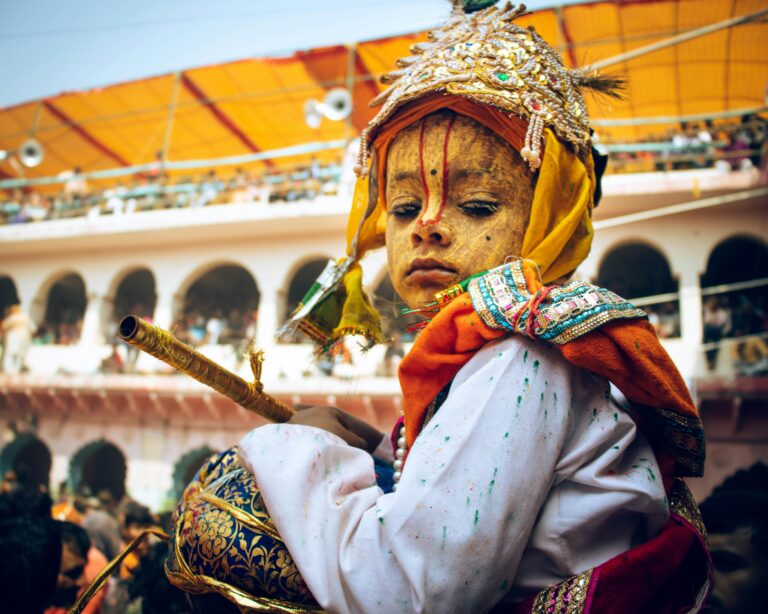
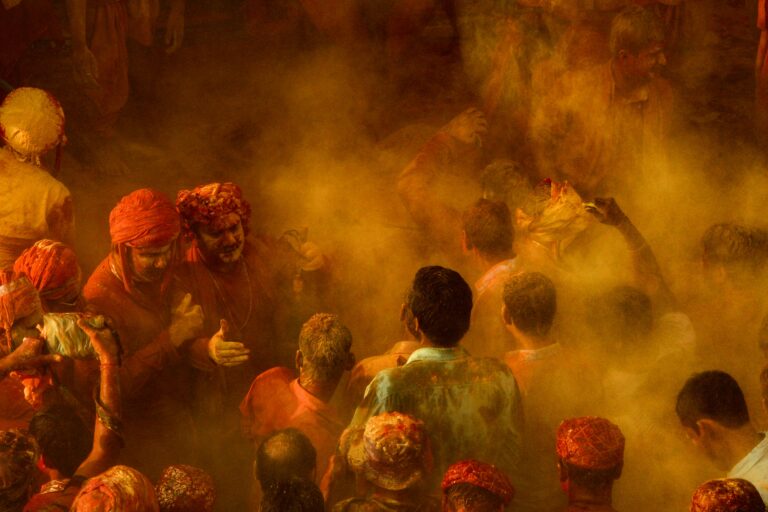
On the second day of Holi, the streets come alive with people. You see happy faces smeared in hues of Spring all around. The atmosphere is charged with laughter, music, and animated conversations, turning the world around into a pretty sight. I think of this day as the Indian version of the famous ‘La Tomatina’ festival that is celebrated in Spain every year.
A walk down memory lane
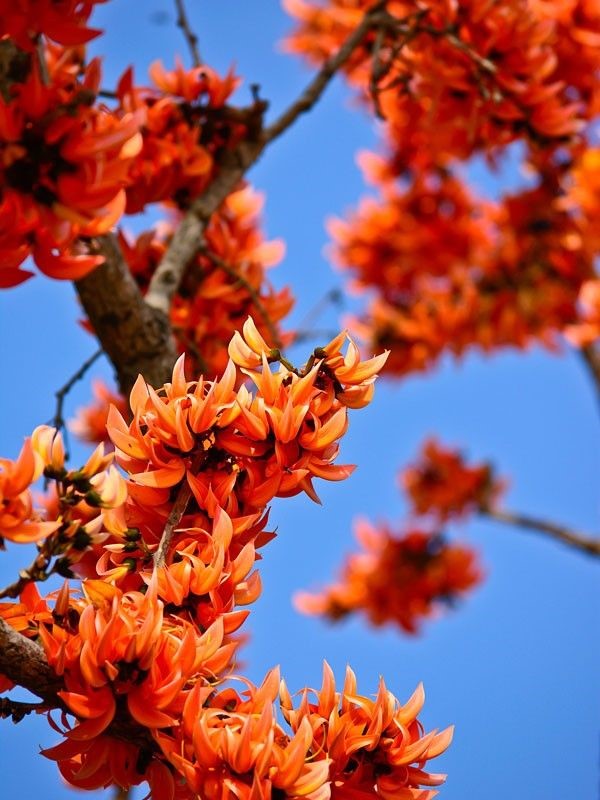
When I think of ‘Holi’, a volley of memories comes rushing to me. I remember myself as a little girl hovering in the kitchen while my mother prepared festive delicacies. Every year, I looked forward to participating in the ‘Holika Dahan’ in my neighbourhood. I enjoyed circling around the bonfire with my family and offering prayers. I would eagerly await spotting the magnificent orange blooms on the ‘Kesuda’ trees. This tree typically blossoms around Holi and is also known as ‘Palaash’ or ‘The Flame of the Forest’. The buzzing Sector 21 market in Gandhinagar comes alive in my mind, and I see a little version of myself watching the hawkers selling colorful ‘Gulaal’ and ‘Pichkaaris’. Above all, that feeling of coming back home happy and drenched in a riot of colors lingers in my memory.
From the countless memories I have of celebrating this festival, the Holi party at a friend’s home comes to mind first. I was seventeen, and until then, I hadn’t stepped out of my neighborhood. Was it that intoxicating feeling of a newfound freedom, or the hours I spent laughing, dancing, and smearing colors on my friends, or was it the taste of the authentic Punjabi style ‘chole-bhature’ prepared by my friend’s mother? It is tough to pick one reason among the many reasons that made that Holi so unforgettable.
As I continue walking down memory lane, I stop at a day in the year 2004, when I was in the final year of college. My brother and I had driven to Vadodara to celebrate Holi with our maternal cousins. It was our cousin brother and sister’s first Holi with their respective spouses after their weddings. And the rest of us ensured that we made it memorable for the newlyweds by playing not only with water and ‘Gulaal’, but also with oil paints, rotten tomatoes, and mud. It makes me chuckle to think of the odd stares we got from the restaurant staff as we stepped in for lunch and wolfed down generous helpings of the ‘Gujarati Thali’. Despite all the scrubbing in the shower, I, for instance, had a pink neck and face with silver streaks on my nose, and my hair looked worse than a broom. And I was just one amongst the bunch of us.
A few years later, I moved to Bangalore for work. But to my utter dismay, the streets of Bangalore were oblivious to my love for Holi, just as I was ignorant about their essence and uniqueness. That year, Holi fell on a weekend, and so I decided to lie on my bed and sulk until I heard a soft knock on my door. Thankfully, my PG mate, who had heard me telling her at least a hundred times about my love for the festival, managed to arrange for a surprise celebration on the terrace of our paying guest home. The crime scene kinda precision with which we cleaned the terrace afterwards, and the sumptuous lunch we had at Bobby’s Dhaba near Ulsoor Lake remain etched in my memory. It still amazes me how friends like her can magically turn a grumpy morning into an evening full of gratitude.
It has been nearly 15 years since I left the Indian shores, and since then, I have lived in countries such as China, Kosovo, the USA, and now Denmark. I do miss the way we celebrated festivals at home, but I have been lucky to have friends who feel like a home away from home. It has been such a blessing to have gathered a treasure trove of memories from festival celebrations in all these countries. But, when it comes to picking my favorite, an impromptu Holi party at a friend’s home in Pristina, Kosovo comes first. Even with just a little dab of color on our cheeks, that Holi was a special one. Again, it is hard to decide whether it was the warmth of my friends, the taste of the authentic Nepali food my friend had prepared with utmost love, those soulful conversations we shared, or those sips of chai we relished that made that day so noteworthy.
After we moved to the US, we not only had great friends but also close family around us, which made festivals feel a lot like how we celebrated in India. After nearly five years of living in New Jersey, when I moved to Denmark, I carefully packed not just the crockery but also the memories of the gala times we spent in the sprawling backyards of our friends’ homes.
Why should we celebrate festivals?
When I was little, festivals were all about feasting on good food, new clothes, and a holiday from school. But as I grew older and perhaps wiser, my views evolved, and here is what I think:
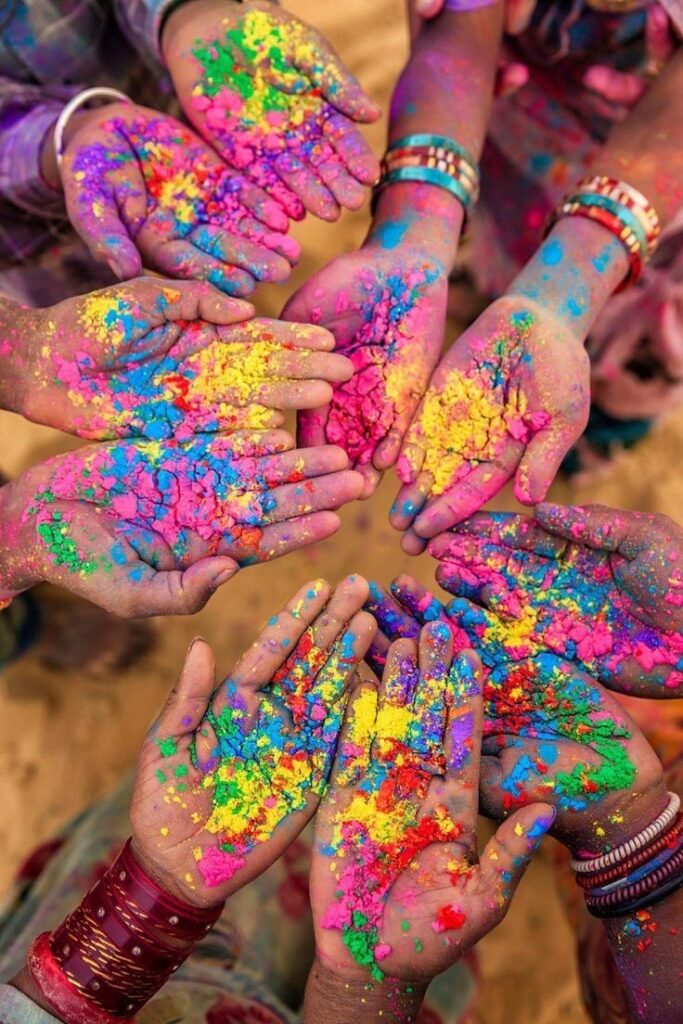
- Most festivals carry stories that often serve as life lessons. Holi, for instance, is a festival that is celebrated not only to mark the onset of Spring but also the triumph of good over evil. It is important to teach our future generations about Prahlad’s unwavering faith and how Hiranyakashyap failed not once but several times trying to destroy the goodness in Prahlad.
- Festivals and the corresponding rituals are a great way to stay connected to one’s roots. It is no secret that staying rooted is one of the best paths to finding oneself and leading a richer life.
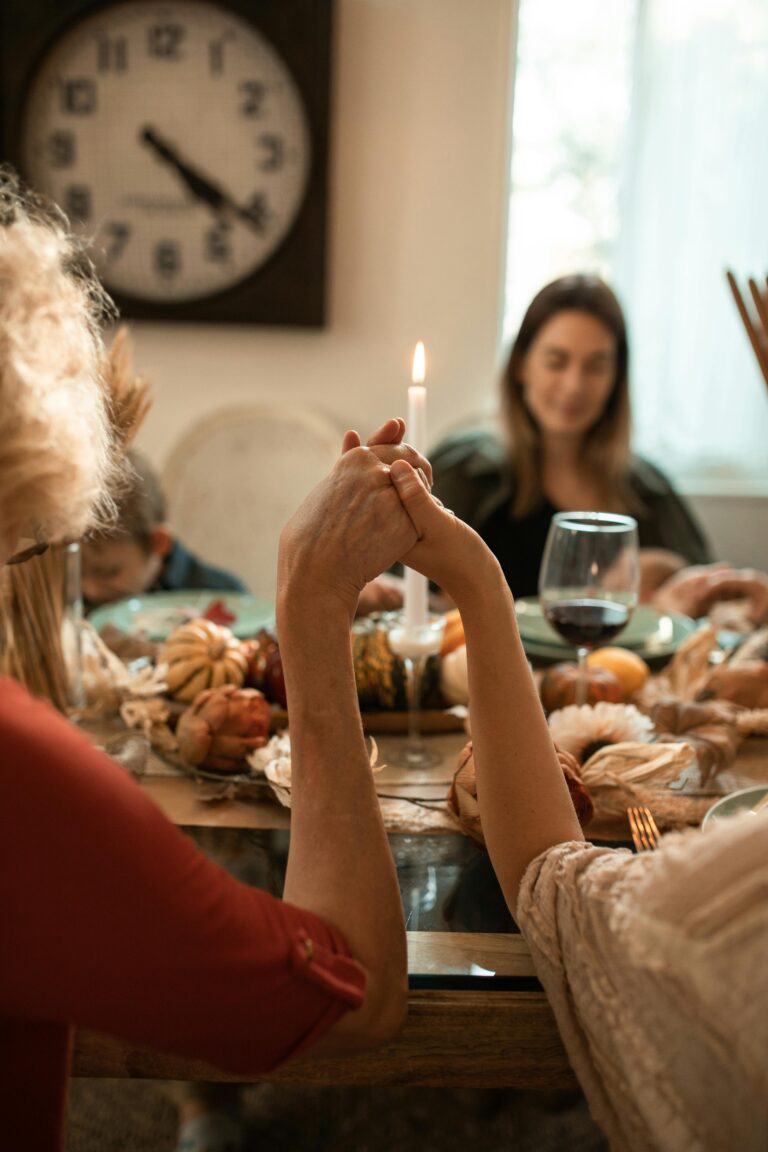
- Imagine having all the festive delicacies in the world, yet not a soul to share them with? Empty chairs on a dinner table never made memories. It is the people in our lives that make every day count and celebrations special. Festivals are great reminders to be grateful for all those who brighten our days and without whom our world would be lacklustre, isn’t it?